When designing industrial piping systems for refineries, chemical processing plants, or water distribution networks, selecting the correct valve design is vital. Ball valves and Gate valves are among the most widely installed fluid isolation devices, but they function differently and serve distinct engineering purposes.
Making the wrong choice can lead to seat degradation, unexpected pressure drops, excessive maintenance downtime, or leaking stem packings. In this practical technical guide, we break down the operational differences, pros and cons, and application guidelines to help you choose the ideal valve for your system.
Table of Contents
1. What is a Ball Valve?
A Ball Valve uses a spherical disc with a hollow port bore through the center. When the handle or pneumatic actuator turns 90 degrees (quarter-turn), the bore aligns with the pipeline flow path, opening the valve. Rotating it back 90 degrees positions the solid sphere surface perpendicular to the flow, stopping fluid movement completely.

Key Advantages of Ball Valves:
- Rapid 90° Operation: Instant shut-off in critical emergency situations.
- Bubble-Tight Sealing: PTFE/RTFE soft seats deliver zero-leakage closure.
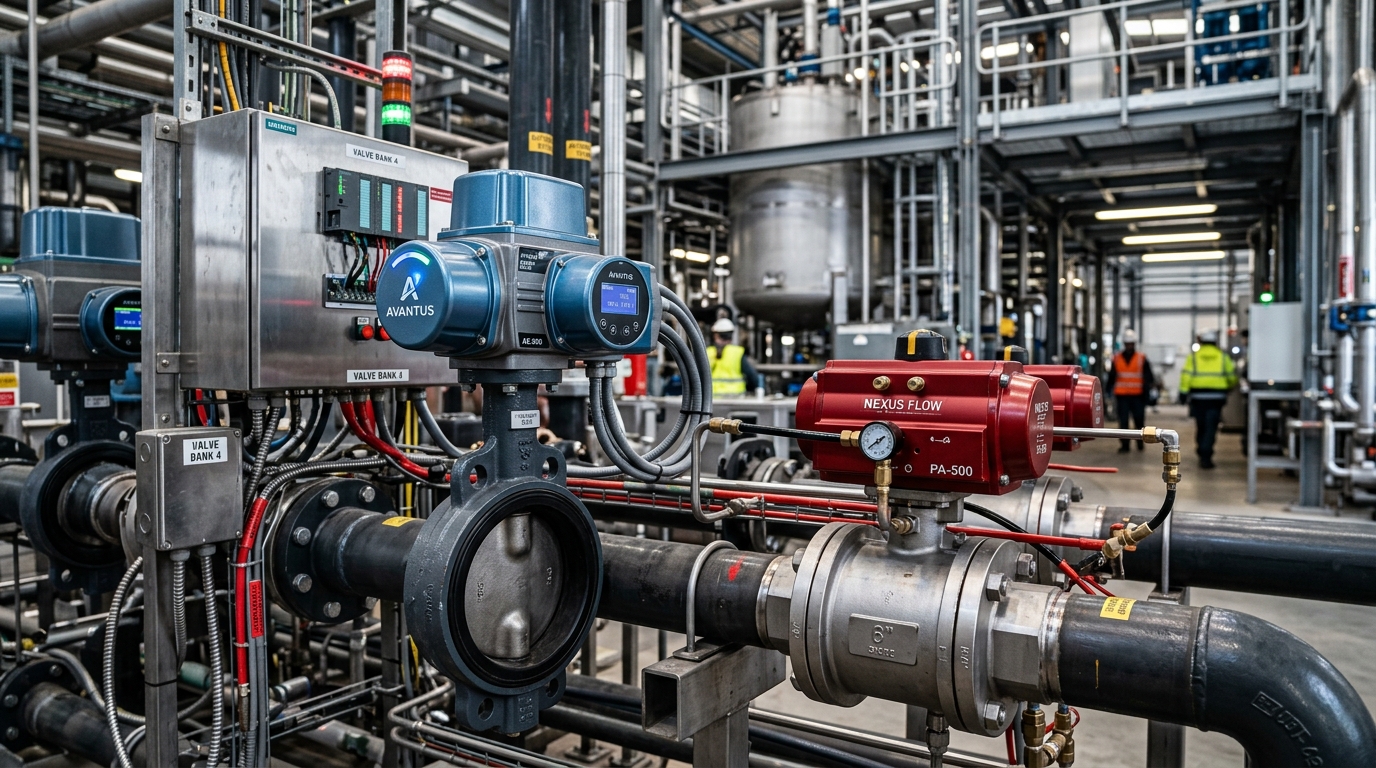
- Actuator Friendly: Quarter-turn action makes it ideal for pneumatic and electric automation.
- Compact Profile: Lower face-to-face dimensions save pipeline space.
2. What is a Gate Valve?
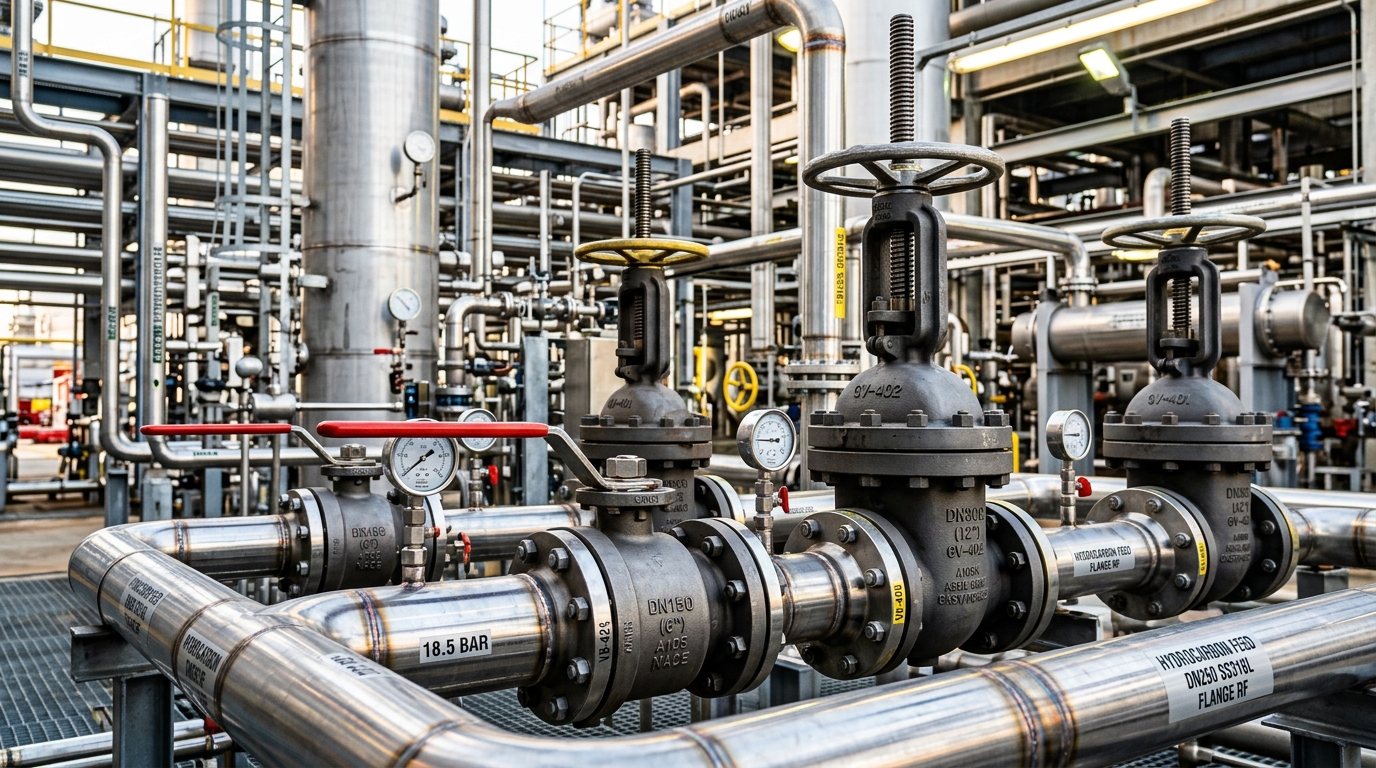
A Gate Valve operates by lifting a wedge-shaped gate out of the fluid path via a threaded stem. When fully open, the gate retracts completely into the bonnet, leaving a straight-through bore with zero fluid resistance and virtually no pressure drop.
Gate valves are primarily designed for on-off isolation service where the valve remains open or closed for long periods. They are widely used in power plants, water mains, and high-pressure steam distribution.

Key Advantages of Gate Valves:
- Full Unobstructed Flow: Straight-line flow path minimizes friction loss.
- High Pressure & Temp: Metal-to-metal seating withstands high thermal expansion.
- Bi-Directional Flow: Seals effectively regardless of line flow direction.
- No Water Hammer: Multi-turn opening prevents sudden hydraulic shock.
3. Side-by-Side Technical Comparison
Review the quick technical matrix below comparing operational characteristics:
| Feature / Parameter | Ball Valve | Gate Valve |
|---|---|---|
| Operating Mechanism | Quarter-turn (90° rotation) | Multi-turn threaded stem rotation |
| Opening/Closing Speed | Very Fast (Instant) | Slow (Prevents surge) |
| Pressure Drop | Low (Full bore) / Moderate (Reduced bore) | Negligible / Lowest |
| Sealing Material | PTFE / Soft seats or Metal-to-metal | Metal-to-Metal stellite seats |
| Throttling Suitability | Limited (Soft seat erosion risk) | Not Recommended (Causes disc vibration) |
| Automation Readiness | High (Easy pneumatic/electric mounting) | Moderate (Requires heavy motorized gear units) |
| Temperature Limits | Up to 220°C (Soft) / 450°C (Metal) | Up to 550°C+ (Forged Cast Steel) |
M-RAO Manufacturing Tip
For clean gases, chemicals, and automated shut-off lines up to 2", Ball Valves are almost always preferred. For steam headers, oil pipelines, and large municipal water lines above 4", Gate Valves remain the industry standard.
4. Key Decision Checklist
Ask yourself these four simple questions when specifying valves for your project:
- Do you require emergency automated shut-off? Choose a Ball Valve with an integrated pneumatic or electric actuator.
- Are you handling high-temperature steam above 300°C? Choose a Cast Steel Gate Valve (WCB/WC6) with a pressure-seal bonnet.
- Is pipeline space tight? Choose a Ball Valve for a shorter face-to-face envelope.
- Is avoiding pressure loss your highest priority? Choose a Full-Bore Gate Valve.
5. Summary & Recommendation
Both ball valves and gate valves are indispensable components in industrial fluid management. Understanding the specific temperature, pressure, operating frequency, and media parameters of your pipeline ensures maximum safety and service lifespan.
At M-RAO Industries, we manufacture a complete certified range of Ball, Gate, Globe, Butterfly, and Check valves conforming strictly to API 600, API 6D, ASME B16.34, and ISO 9001:2015 quality standards.